
Deep Dive
来自我们记者的行业洞察
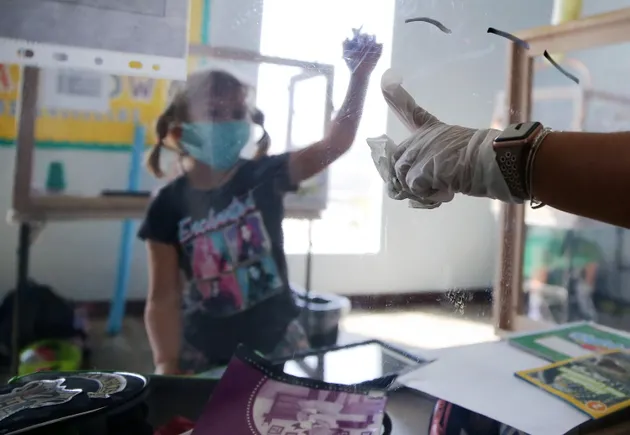
ESSER pandemic spending is over. What will its legacy be?
As the historic $189.5 billion in ESSER funds expire this month, education experts assess their impact and find mixed results: some regions achieved academic progress and facility improvements, but the overall return on investment is difficult to quantify, and some areas face fiscal challenges after the funding ends.
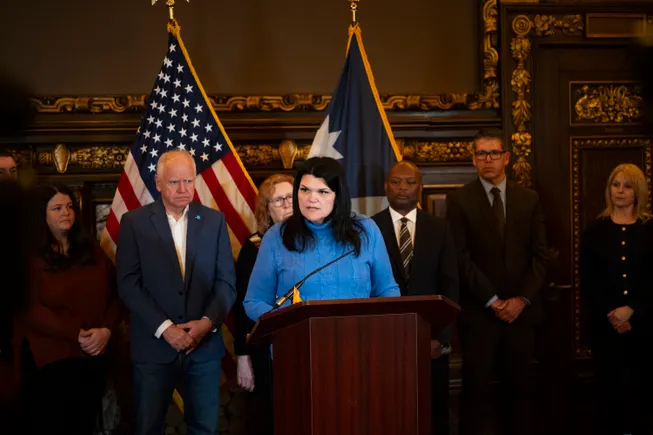
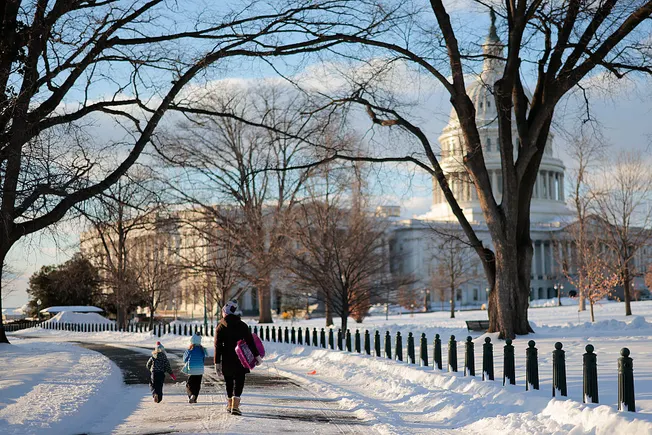
Congress green-lights education interagency agreements — with reservations
The U.S. Congress passed the Department of Education's FY2026 budget without prohibiting interagency agreements, but a bipartisan statement strongly opposes transferring core programs to other federal agencies.
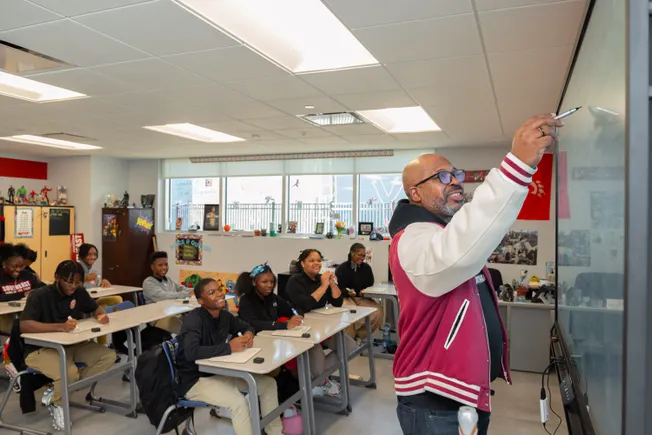
Solving for success: DC’s citywide effort to boost math achievement
Washington, D.C. has steadily improved mathematics performance in recent years through increased investment, innovative teaching, and public-private partnerships, but significant gaps remain among student groups.

How special educators can help students when ICE comes to town
As immigration enforcement intensifies in many parts of the United States, some school districts have initiated temporary online instruction. Special educators are drawing on pandemic-era experience to adjust IEP services and ensure students with disabilities receive FAPE.
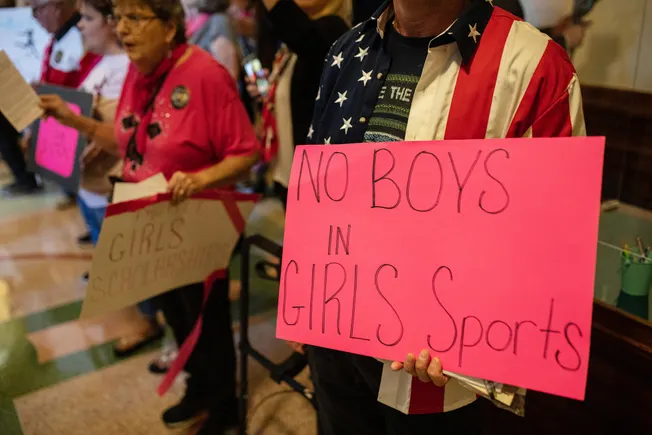
Trump’s OCR resolved no K-12 sexual harassment, assault complaints in 2025, data shows
A K-12 Dive analysis shows that in 2025, under the Trump administration, the U.S. Department of Education's Office for Civil Rights (OCR) did not reach any settlement agreements for K-12 sexual harassment and assault complaints. The total number of settlement agreements for the year plummeted from 518 in 2024 to 177, the lowest since 2013. Experts note that OCR's priorities have clearly shifted, consistent with early executive orders of the Trump administration.

3 trends that will shape ed tech in 2026
Edtech experts predict that in 2026, K-12 schools will face stricter scrutiny when adopting AI tools, edtech vendors will encounter harsher accountability, and the risk of school cyberattacks will increase due to reduced federal resources.
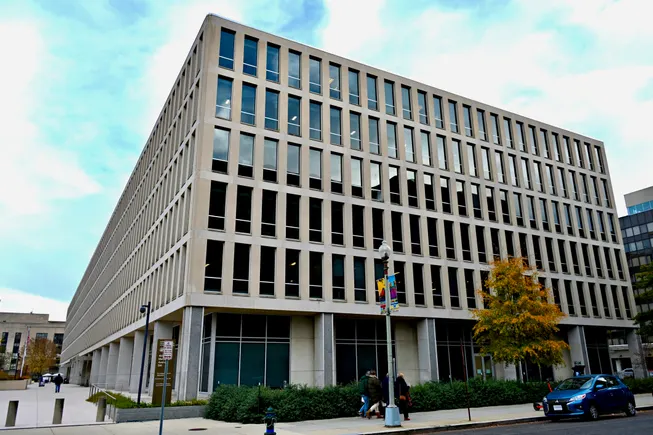
4 education legal and policy trends to watch in 2026
Education policy and law experts point out that the K-12 sector will face continued uncertainty in 2026. Based on interviews with experts from AASA, Teachers College at Columbia University, and other institutions, this article outlines four major trends that school district leaders need to closely monitor: reduced federal support and increased enforcement, the growing influence of religious factors in public education, the extension of educational rights litigation to specific subjects, and the accelerated development of AI policies and legal frameworks.
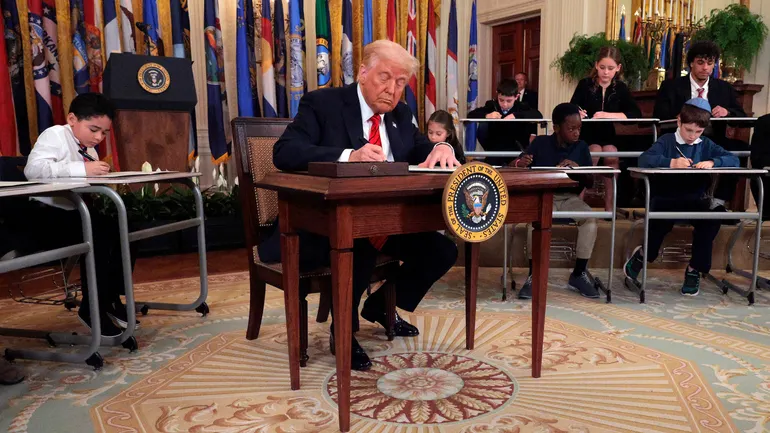

6 trends to watch for K-12 in 2026
As 2026 approaches, K-12 education in the United States faces multiple pressures: tight education funding, intensified competition for student enrollment, teacher layoffs and retention challenges, ongoing federal policy uncertainty, state-led efforts to improve academic performance and attendance rates, as well as the need to advance AI literacy and online protection efforts.