
Special Education
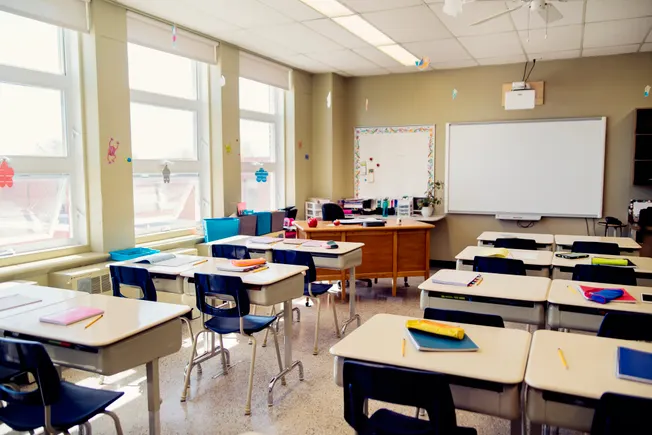
Week In Review: Apprenticeships take prospective teachers to school
This week's education updates include: All 50 states have established registered teacher apprenticeship programs, with 44 states and the District of Columbia offering degree-oriented apprenticeship initiatives; an analysis by the Reason Foundation shows only 2 large school districts have no fiscal red flags; federal agencies are collaborating to address wandering by autistic children, combat the 'passing the trash' practice involving school sex offenders, and strengthen parental consent requirements for mental health screenings; the Supreme Court may hear a case on special education services for private school students, and Pearson has reached a settlement over accessibility issues.
Test yourself on the past week’s K-12 news
This article offers a five-question quiz on this week's K-12 education news, helping readers review key developments and encouraging them to share results via social media.
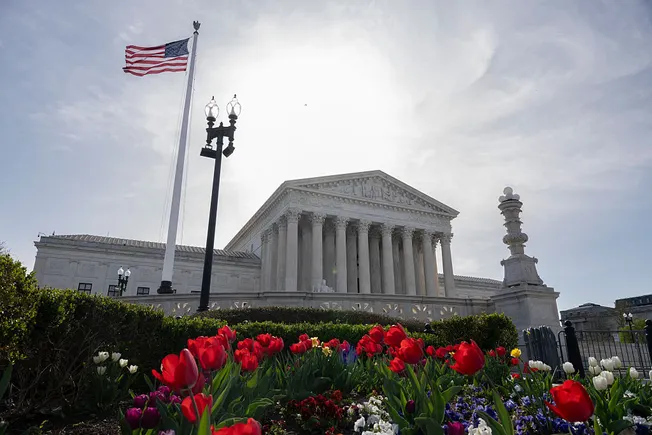
Special education access case appealed to Supreme Court
Two Massachusetts families with children with disabilities attending Jewish day schools have filed a petition for a writ of certiorari with the U.S. Supreme Court, challenging a state regulation that only allows private school students to receive public special education services at public schools or 'neutral' locations. The petitioners argue that the policy constitutes a punitive condition on constitutional rights and request the Court to clarify lower court divisions regarding the application of state aid prohibition clauses.
HHS to create national autism ‘elopement’ alert
The U.S. federal government announced it will establish the first national alert system for missing children and adults with autism, aiming to strengthen response coordination among emergency personnel, first responders, and community partners. Data shows that as of 2025, 52 autism-related elopement deaths have occurred, with approximately 53% involving children aged 5 to 9, and 5 incidents occurring in school settings. Educational institutions can address this issue by documenting elopement risks in individualized education programs, reporting incidents, and taking preventive measures.
Test yourself on the past week’s K-12 news
How well did you follow the latest K-12 education news? Take our five-question quiz, then share your score on social media using #K12DivePopQuiz.

Dyscalculia affects almost as many students as dyslexia. What can districts do?
Dyscalculia, a learning disability affecting number processing, impacts roughly the same proportion of students as dyslexia. However, a new brief from the Center on Reinventing Public Education (CRPE) reveals that schools are far less equipped to identify and serve these students. The brief outlines gaps in district systems and proposes a multi-step identification process, including universal screening and diagnostic follow-ups.
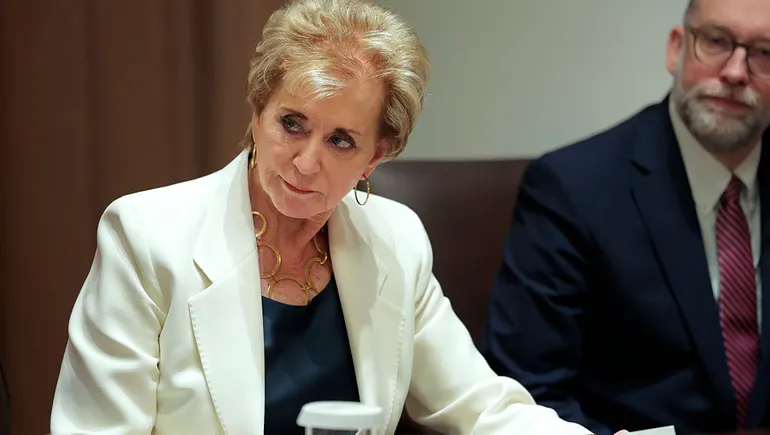
Week in Review: McMahon touts special education interagency agreement
This week's education news focuses on: Education Secretary McMahon defends the transfer of special education responsibilities, stating that federal law guarantees remain unchanged; HHS plans to significantly relax Head Start regulations and cancel most funding for teen pregnancy prevention programs; Senate panel passes child online safety bill; research shows outcomes-based contracts improve academic performance; Google AI summaries raise concerns in schools.
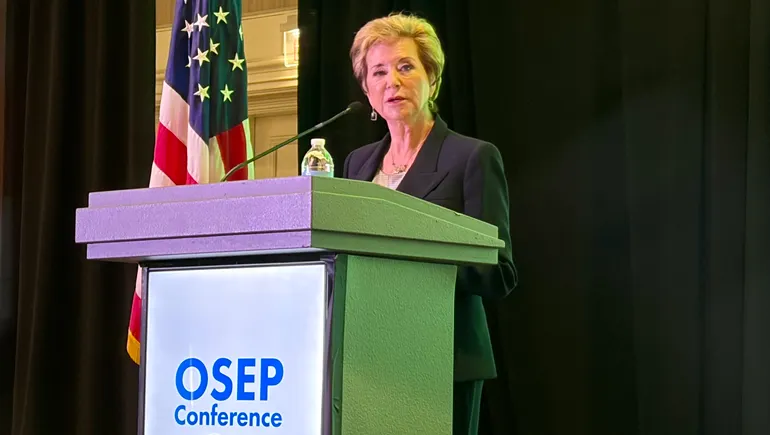
Education Department defends controversial special education shakeup
U.S. Secretary of Education Linda McMahon delivered a keynote address Tuesday at the Office of Special Education Programs annual conference in Arlington, Virginia, defending the interagency agreement on special education between the Education Department and the Department of Health and Human Services. She emphasized that the federal government's commitment to protecting students with disabilities remains unchanged while pushing for more flexibility for states, school districts, and families. However, the agreement has faced opposition from special educators, disability rights advocates, and some members of Congress, who worry it weakens IDEA compliance and accountability.
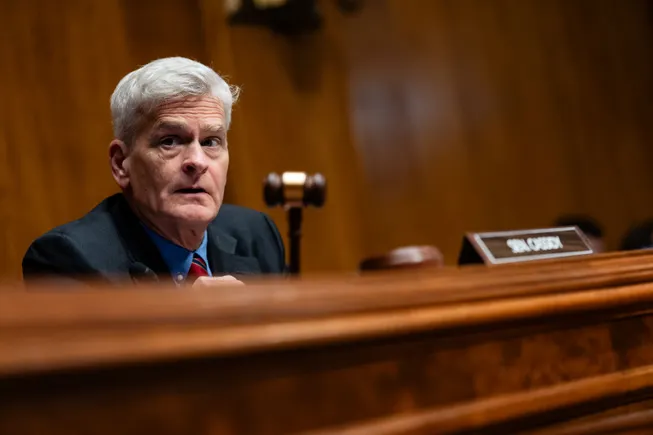
Senate Committee Approves Bill to Block Education Department from Transferring Four Offices to Other Agencies
The U.S. Senate Health, Education, Labor, and Pensions (HELP) Committee approved a bipartisan bill (S. 5046) on Thursday by a vote of 13-9, which would prohibit the U.S. Department of Education from transferring its four offices to other federal agencies. Despite Democrats' attempt to add an amendment blocking the transfer of the Office for Civil Rights, the amendment was rejected by a vote of 12-11. The bill now heads to a full Senate vote.