
Opinion
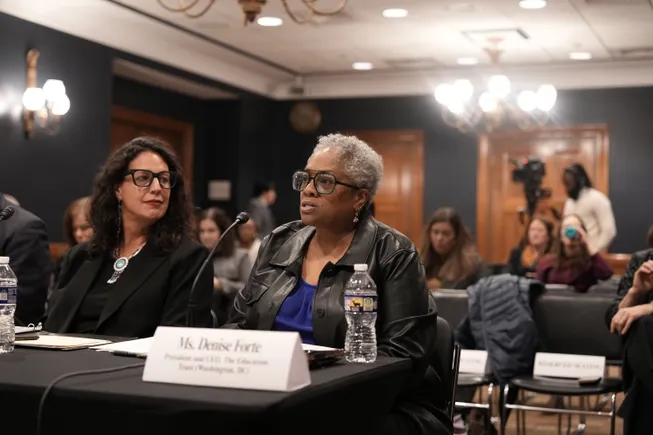
Private school choice threatens public school experiences, says EdTrust CEO
In a commentary, Denise Forte warns that federal school voucher programs and budget proposals cutting Title I funds threaten public schools, citing data from Arizona, Florida, North Carolina, and other states showing that vouchers have not benefited the students most in need, instead exacerbating racial segregation and funding inequity. She calls on Congress to preserve and increase Title I funding, urges states to adopt equitable funding formulas, and protect accountability and transparency mechanisms.
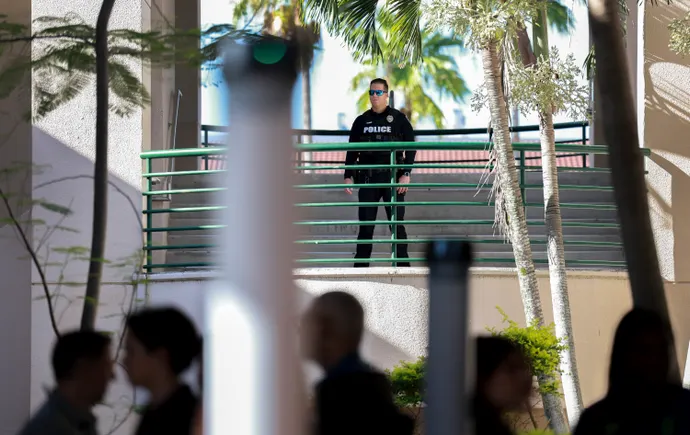
School violence: An educator’s painful and promising 50-year perspective
Stephen Sroka, with over 50 years of experience in campus crisis intervention and violence prevention, combines his personal life-and-death experiences to clarify common misconceptions about campus shootings, reveal the '5B' pattern in media and legal responses, and propose 'New 5B' action recommendations based on the latest data, calling on the community to jointly build a safe campus.

Teaching on empty: 3 truths about today’s teachers — and a message for school leaders
At the end of the 2024-25 school year, teachers across the nation concluded their teaching amid the shadow of political interference, censorship, and systemic underinvestment. In July, the federal government temporarily froze over $6 billion in education funding, sparking widespread anxiety. Now returning to the classroom, teachers face multiple pressures including staff shortages, anxious parents, and state-level mandates. Three education experts point out: burnout is not a personal failure, but the result of chronic workplace stress. School administrators should confront three truths—teachers are not martyrs, emotional labor is real work, and resignation is a signal rather than a failure—and take concrete actions to embed emotional intelligence cultivation into school culture to retain excellent teachers.

America’s youth literacy crisis isn’t new — it’s been ignored
The latest National Report Card confirms that a large number of middle and high school students have reading skills below proficiency, a phenomenon documented by researchers as early as the 1960s. Despite evidence-supported intervention strategies, fragmented implementation, insufficient resources, and the misguided belief that 'remediation after age 10 is impossible' have left the problem unresolved for years. Experts point out that teenagers do not lack potential but rather structured support, and call for systemic changes from policy to family levels.