
Deep Dive
来自我们记者的行业洞察
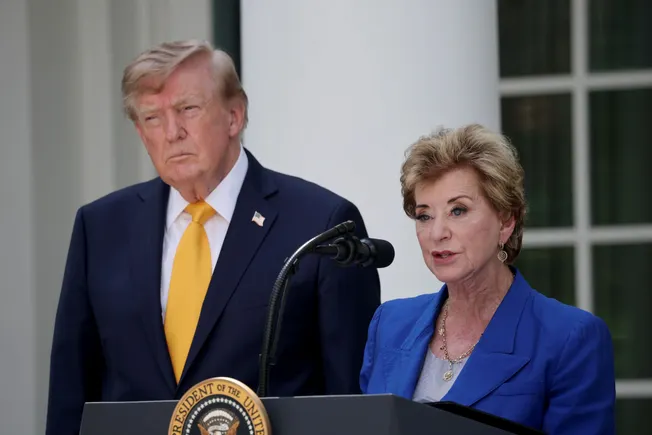

3 special education funding strategies states can use to support districts
In a webinar hosted by the Education Commission of the States on August 19, Tammy Kolbe, a managing researcher at the American Institutes for Research, noted that special education funding formulas are a means of resource allocation, not an end in themselves. States should first clarify the goals of funding support, then build funding systems around three core elements: basing funding on appropriate service costs, adjusting funds according to differences in student needs, and establishing high-cost funds to address unexpected expenditures.
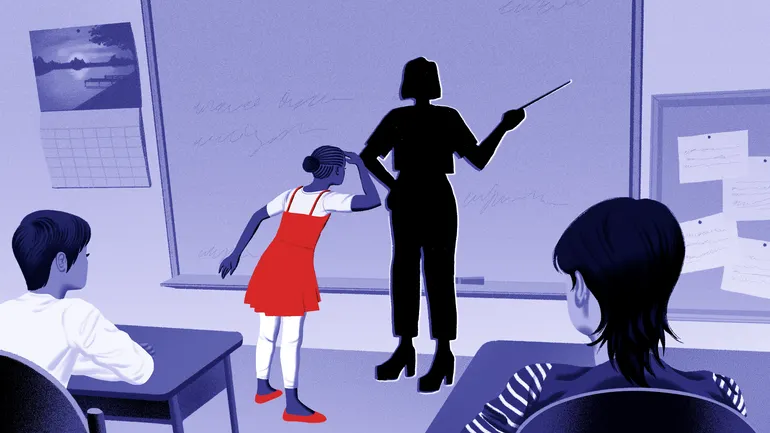
Teacher Apprenticeship Programs Show Emerging Promise: Registered in All States Nationwide
Teacher apprenticeship programs, first introduced in Tennessee in 2022, have expanded rapidly and are now registered with the U.S. Department of Labor in all states. A New America report indicates that education has become the top field for degree-based apprenticeships, with apprentices predominantly being non-traditional students aged 25 to 54 and showing greater racial diversity than the existing teacher workforce. Related research also suggests that locally hired teachers have higher retention rates, though high-quality training remains essential.

Week In Review: Education Department issues Dear Colleague letters on discipline, tech use
This week's review focuses on the Department of Education's latest discipline and technology guidance, E-rate program funding, immigration enforcement, Head Start standards, and two Supreme Court appeal cases.
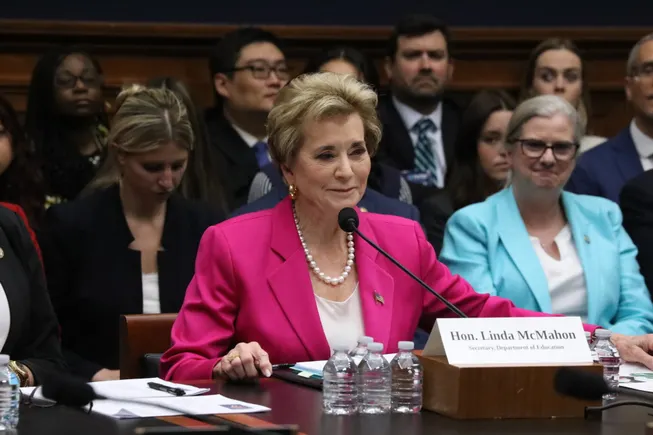
U.S. Department of Education's New Rule Proposes Loosening Conditions for Terminating Federal Grants
The U.S. Department of Education plans to amend federal grant management regulations, adding provisions to terminate discretionary grants for 'convenience,' require grantees to comply with executive orders, and allow phased or delayed fund disbursement. Experts believe this would make grant termination almost free of substantive restrictions and potentially bypass existing legal challenges. The proposal is set to be published in the Federal Register on August 24, followed by a 30-day public comment period.

Education Department Defends Classroom Tech in New Federal Guidance
The U.S. Department of Education issued a Dear Colleague letter on Thursday defending the use of education technology in classrooms, distinguishing it from recreational screen time and urging state and local policymakers to focus on learning outcomes rather than time limits.
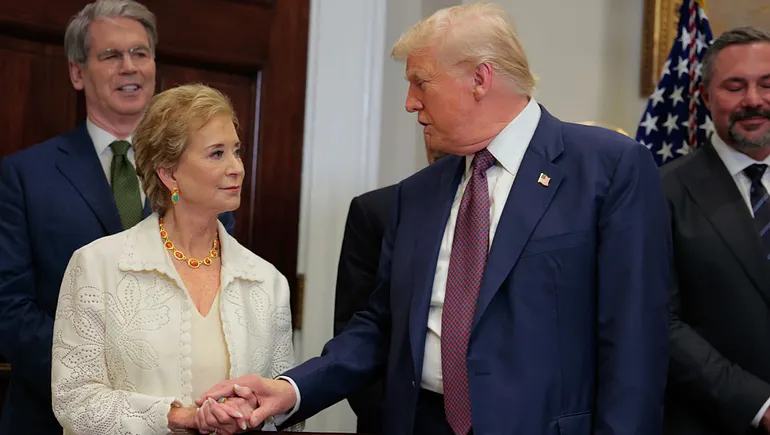
With disparate impact out, what’s next for systemic discrimination cases?
The U.S. Department of Education's recent rescission of disparate impact regulations is expected to curtail or close systemic discrimination investigations in schools. Former federal civil rights enforcement staff and education lawyers explain the shift, its impact on Title VI cases, and the ongoing role of state-level protections.

Special education state complaints jump nearly 50%
Written state-level complaints in special education in the United States surged by 46% year-over-year in the 2025-26 school year, reaching 11,523 cases. Experts point to staffing reductions at the federal Office for Civil Rights (OCR), insufficient special education funding, and personnel shortages as key factors driving the increase in complaints.

Social media lawsuits could net payouts. How are districts planning?
About 1,400 school districts across the United States have filed class-action lawsuits against social media companies, alleging that their platforms harm students' mental health and increase financial burdens on schools. The lawsuits have been consolidated into multidistrict litigation, with six designated as 'pilot cases.' The first pilot case was settled in May for $27 million. Meanwhile, some school districts have begun planning how to use future compensation funds; for example, Spokane Public Schools is expanding after-school activities through the 'Real Life Engagement' program to reduce students' screen time.
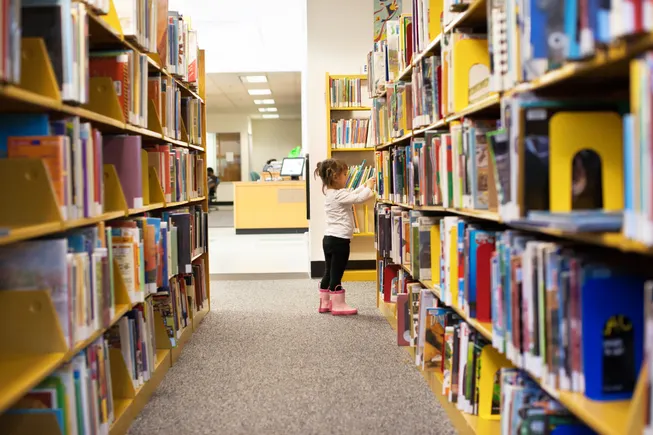
As AI enters book ban disputes, here’s what it means for school districts
After a Texas law banning "harmful," "indecent," or "vulgar" content in school library collections took effect, the New Braunfels Independent School District temporarily closed its middle school libraries and used AI to review over 195,000 books. About 30 states nationwide have enacted similar policies, and school districts are turning to AI tools under compliance pressure, but free speech advocates worry that automated decision-making may intensify book censorship. This article analyzes the role of AI in book censorship, the controversies, and the dilemma facing school districts.