
Florida school district resumes serving peanut butter after 18 years: new allergy management strategy under supply chain pressure
Lee County School District in Florida, USA, has reintroduced peanut butter to its school menus after an 18-year hiatus caused by supply chain difficulties and rising food prices, accompanied by new allergy management policies and operational procedures. The district serves 87,000 meals daily, and this adjustment ensures the safety of students with allergies while providing a reference for other districts facing similar challenges.
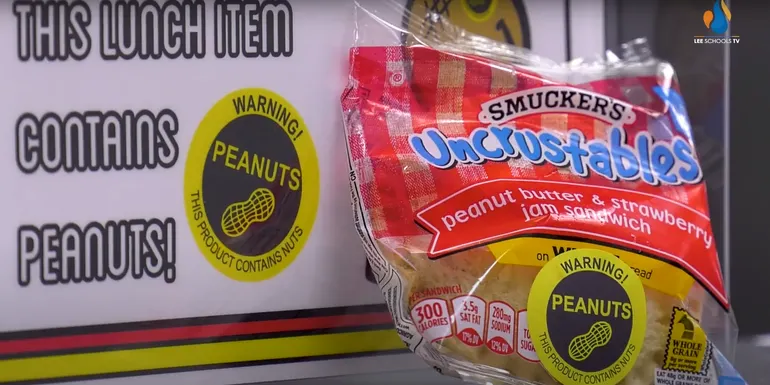
After an 18-year absence, peanut butter has reappeared on the cafeteria menus of Lee County schools in Florida. Menu supply difficulties and rising food prices prompted the district to reinstate the food after implementing new policies and procedures aimed at protecting children with allergies.
According to Amy Carroll, a registered dietitian and coordinator of student health and special programs for the district's Food and Nutrition Services department, supply chain challenges limited the steady availability of protein products such as chicken. Kandace Messenger, director of Lee County Schools' Food and Nutrition Services, said in an email that the district serves 87,000 meals daily, and offering peanut butter helps fill that supply gap.
It is unclear why Lee County schools removed peanuts from cafeterias in 2004, but that same year, the U.S. Congress passed the Food Allergen Labeling and Consumer Protection Act, requiring food manufacturers to clearly label products containing eight major food allergens, including peanuts. Additionally, the U.S. Centers for Disease Control and Prevention reported that food allergies among children under 18 increased by 18 percent between 1997 and 2007.
To prepare for the reintroduction of peanut products, Messenger's team worked with the district's health services, academic, and custodial departments to review relevant policies and operational practices. According to Carroll, the district also surveyed members of the Florida School Nutrition Association, a nonprofit promoting child nutrition programs, and found that 77 percent of Florida school districts serve peanut butter in their cafeterias.
"Basically, get everyone involved who has a role or a voice."
— Amy Carroll, coordinator of student health and special programs, Lee County Schools Food and Nutrition Services
Diane Pratt-Heavner, spokesperson for the School Nutrition Association, said a previous national survey in 2018 found that peanuts were the most commonly banned food in schools, but even so, banning peanut products is not universal practice. Pratt-Heavner noted that banned foods vary by school and are often decided at the school level rather than by district leadership. She added that peanut butter and jelly sandwiches remain a popular menu item in school cafeterias and are typically served pre-packaged to avoid cross-contamination in cafeteria kitchens. However, Pratt-Heavner said she has not heard of other districts, like Lee County, bringing peanut butter back to menus due to supply chain issues.
New allergy policy introduced
Before resuming peanut butter service in February, the Lee County School Board approved an allergy management policy allowing individual schools to restrict foods that students or others bring to school to share. The policy also requires school staff to follow student accommodation procedures under the Individuals with Disabilities Education Act and Section 504.
Carroll said that although the district has operated peanut-free kitchens since 2004, students have always been allowed to bring peanut products to school. She noted that the new allergy management approach makes sense because while other food allergens such as milk and nuts are still served, peanut butter was the only food banned in the district's cafeterias.
To minimize allergic reactions to peanut butter, the district has established multiple operational procedures. For example, cafeterias have warning signs indicating that certain foods may contain peanuts, and foods containing peanuts are labeled. Additionally, after urging parents to inform the school system of allergies, the district updated its list of students with peanut allergies. That information is entered into the point-of-sale system, and if an allergic student purchases any food containing peanuts, the system alerts cafeteria staff to remove it from the lunch tray.
All food and nutrition staff in Lee County schools have been trained on the new policy and cafeteria procedures. Similarly, school custodial staff have been trained on cleaning methods to reduce the spread of food allergens, as explained in a district video. Carroll said the district is starting small, offering only one peanut butter-containing food in cafeterias: individually wrapped Uncrustables peanut butter and jelly sandwiches.
According to district website data, 1,325 of its 97,360 students are allergic to peanuts. The U.S. Centers for Disease Control and Prevention reports that nationally, about 1 in 13 children (roughly 2 per classroom) have a food allergy. According to Food Allergy Research & Education, hospitalizations of children for food allergies tripled between the late 1990s and mid-2000s. Additionally, the organization found that more than 40 percent of children with food allergies have experienced a severe allergic reaction, such as anaphylaxis.
Supply chain woes trigger temporary allergy alerts
Pratt-Heavner noted that as districts continue to face supply chain shortages of various foods, concerns about managing various food allergies are growing. When temporary substitutions appear on menus, school nutrition managers must review ingredients and notify potentially affected individuals. She said, "That's also one of the reasons school meal programs are under so much stress right now, because they have to do a lot of critical last-minute work to ensure any menu changes don't negatively impact the student population."
As more children are diagnosed with food allergies, Dave Bloom, CEO of the food allergy resource website SnackSafely.com, said he is concerned about schools considering relaxing food allergy policies and easing certain food bans. He said, "It's very concerning, but on the other hand, we fully understand that the supply chain is fragmented." He added that schools should still communicate to all parents, including those whose children do not have food allergies, the seriousness and potentially life-threatening nature of food allergies.
Kristi Grim, senior director of national programs at Food Allergy Research & Education, said that as supply chain shortages persist, other districts may follow Lee County's example. For districts considering adjusting food allergy policies, FARE recommends frequently cleaning tables where students eat. Grim emphasized that students should wash their hands frequently, and younger students especially need supervision to prevent them from sharing potentially allergenic foods. She also said schools should consult parents about whether they want their children to sit at separate tables based on food allergies, as this strategy sometimes reassures parents but can also make students feel isolated.
The U.S. Centers for Disease Control and Prevention recommends schools take the following steps to manage food allergies:
- Ensure daily management of food allergies for individual students.
- Provide professional development training for staff on food allergies.
- Be prepared for food allergy emergencies.
- Educate children and families about food allergies.
- Create and maintain a healthy and safe school environment.
Communicating policy changes
Grim said that overall, schools and districts need to be transparent about these policies. When communicating about food allergies, schools should not avoid or hide the topic, as doing so could lead parents to lose trust in the school.
To communicate Lee County's policy change, the district hosted a Facebook Live event, produced a YouTube video, developed two podcasts, and published a 14-page digital magazine explaining the reasons and methods behind the change. Messenger and Carroll advise school systems considering similar adjustments to plan changes in advance and communicate with stakeholders to ensure policies and procedures are clear. This takes time: Lee County officials began preparing for the change in October, four months before implementation.
Carroll said, "Basically, get everyone involved who has a role or a voice." Not every district has successfully added peanut butter to its menu. According to FoodService Director, Leon County Public Schools in Florida withdrew plans in 2020 to introduce peanut butter sandwiches after parental opposition. During her research, Carroll contacted the National Peanut Board for advice on anticipated resistance. Despite concerns expressed before implementation, Carroll has received no negative feedback since the peanut butter and jelly sandwiches were introduced. She said, "The whole process has gone smoothly. If it weren't for supply chain issues, we probably wouldn't have done this."

