
Deep Dive
来自我们记者的行业洞察
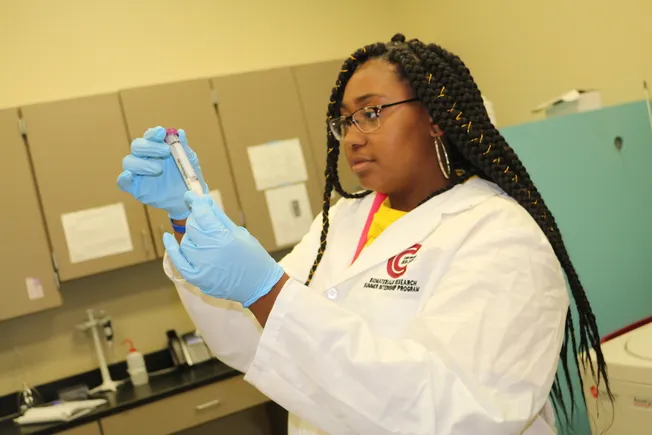
Teaching Strategies for Integrating Real-World Phenomena into Science Classrooms
Science education experts and frontline teachers are attempting to bring real-world phenomena into the classroom, from the pandemic to waste management, to stimulate student interest and cultivate scientific literacy. Through multiple cases, this article demonstrates how to design such courses, the support teachers need, and the impact on students.



Proactive Response Strategies Help School Districts Avoid Special Education Litigation Risks During the Pandemic
The COVID-19 pandemic has posed severe challenges to U.S. school districts in implementing the Individuals with Disabilities Education Act, leading to an increased risk of litigation. This article analyzes the main triggers of lawsuits and introduces proactive response strategies recommended by education experts and legal professionals, including strengthening home-school communication, flexibly adjusting IEP services, and improving process documentation, aiming to help school districts operate in compliance and avoid legal disputes during this exceptional period.

Inspiring Computer Science Interest Through Game Design: Four Paths Schools Are Exploring
Video game design is becoming a powerful tool for schools to connect with STEM education. From high school courses in Texas to science museum programs in New York, educators are leveraging game development to engage students while focusing on foundational technology, soft skills, and diversity. This article outlines four practical approaches.

Campus Meal Supply Under the Pandemic: How American Schools Reconstruct Their Food Service Logistics Systems
Under the pandemic, U.S. school meal services have shifted from traditional cafeteria models to diversified delivery systems. Cases such as the Shenendehowa Central School District in New York, Franklin County Technical School in Massachusetts, and Jefferson County Public Schools in Colorado show that flexible logistics design, cross-departmental collaboration, and community partnerships have become key. Meanwhile, the U.S. Department of Agriculture extended free meal policies, but school districts still face financial losses and participation rate challenges.


The pandemic may give rise to four long-term changes in course teaching
The pandemic has prompted schools to rethink course delivery, learning time, campus environment, and family support. Educators believe that the flexibility and technology applications brought by remote learning may be retained in the long term.
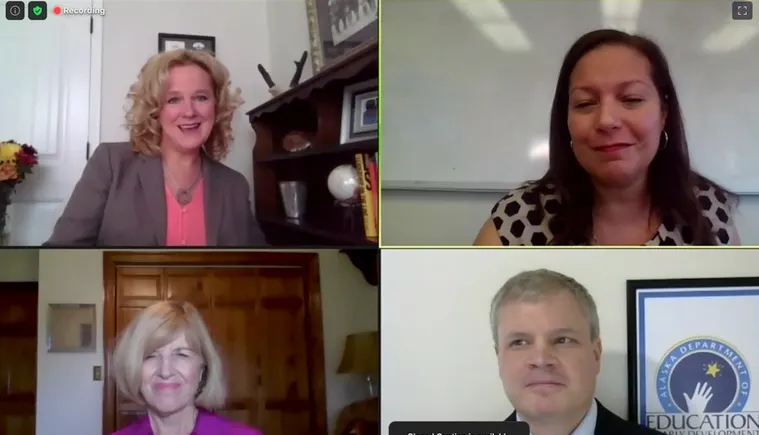
Three Paths for the Evolution of K-12 Schools After the Pandemic
The pandemic forced rapid changes in K-12 schools, and educators are now planning long-term improvements for the post-pandemic era, including flexible learning formats, restructuring schedules, and strengthening collaboration.