
Deep Dive
来自我们记者的行业洞察

District of the Year: Beaverton School District
Beaverton School District Superintendent Gustavo Balderas is known for flexible management, driving notable achievements in academics, operations, safety, and environmental sustainability. The district has set an industry benchmark through fentanyl awareness campaigns, expansion of bilingual programs, innovation in career and technical education, and the adoption of electric school buses.




Special Education at a Crossroads: What Role Should the Federal Government Play?
As the U.S. Department of Education downsizes, the debate over how the federal government can best serve students with disabilities intensifies. Critics call for reforming or abolishing OSEP, while advocates warn that layoffs will undermine enforcement of the IDEA Act. This article sorts through the clash of perspectives among the government, advocacy organizations, parents, and experts, and analyzes the long-standing challenges in special education, including underfunding, teacher shortages, and accountability issues.
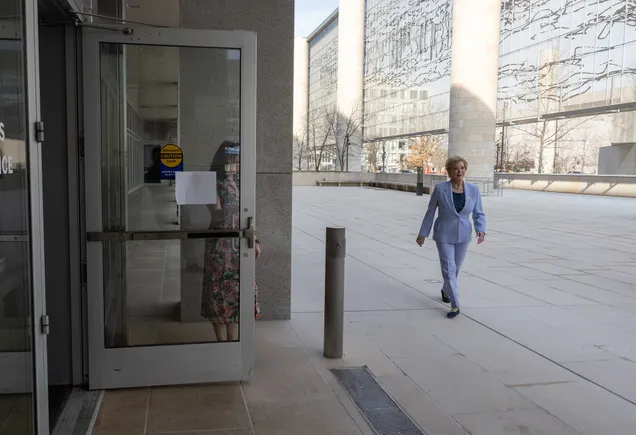
"A Thousand Cuts": Local School Districts and State Governments Challenge the Department of Education's Civil Rights Enforcement
School districts and state governments in the United States are increasingly challenging the federal Department of Education's enforcement authority over diversity, equity, and inclusion (DEI) policies and matters related to LGBTQ+ student rights, a trend that departs from the traditional partnership between federal agencies and the K-12 education community. Despite the Trump administration's threats to withhold federal funding, many localities have chosen to pursue legal action. This article reviews recent lawsuit cases, timeline conflicts, legal disagreements, and funding impacts, and cites education policy experts, former Office for Civil Rights officials, and school district statements to analyze the deep motivations behind this "thousand cuts" style confrontation.

U.S. Department of Education Terminates Funding for Deaf-Blind Student Programs, Sparking Urgent Appeals from Families and Advocates
The U.S. Department of Education recently terminated funding for deaf-blind student programs in Washington State, Oregon, Wisconsin, and a multi-state consortium in New England. These programs were slated to receive approximately $1 million in funding for the next fiscal year, serving about 1,365 children. The termination notice has prompted urgent responses from families, educators, and advocates, who describe the funding as a "lifeline" for student development.
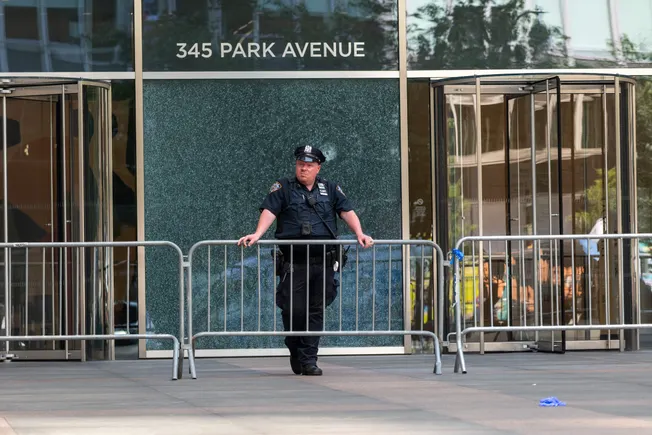
New York Office Building Shooting Highlights Access Control Shortcomings: Technology in Place, Execution Questioned
Last month's office building shooting in Midtown Manhattan, New York, which killed four people including a police officer, has once again put commercial facility security in the spotlight. Although cameras at 345 Park Avenue flagged the gunman before the attack, the warning failed to effectively trigger a response. Security experts note that access control is the core of protection, but currently 90% of systems still rely on easily cloned card-swipe technology, and tailgating attacks are frequent. The OSHA General Duty Clause requires employers to address foreseeable hazards, and active shootings have become the third leading cause of workplace fatalities, ranking first in healthcare and education sectors. Facility managers need to elevate active threat response to the same level of importance as fire drills.
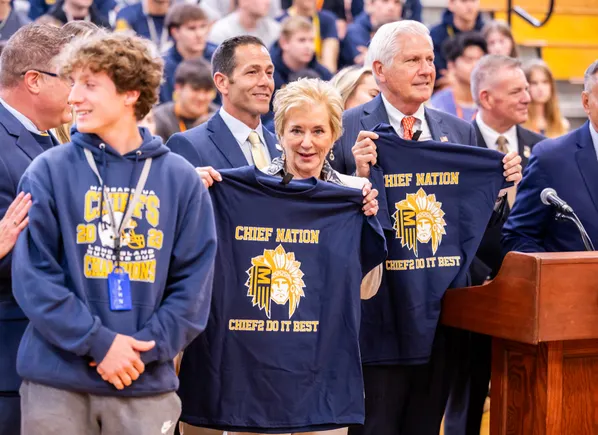
Indigenous Mascot Controversy: Tribal Consent Mechanism Under Minnesota's New Law and Federal Anti-Discrimination Investigation
After three years, Minnesota's Deer River School District finally obtained approval from the Leech Lake Band of Ojibwe Tribal Council for its spear and feather mascot design, under the state law revised in 2025. The law requires school districts to obtain tribal consent when using Indigenous imagery. Concurrently, the Trump administration's Department of Education argued that banning Indigenous mascots constitutes racial discrimination, launching an investigation into New York State and pushing to restore related mascots. Research shows such mascots negatively impact Indigenous students' mental health, but opinions within Indigenous communities are divided.
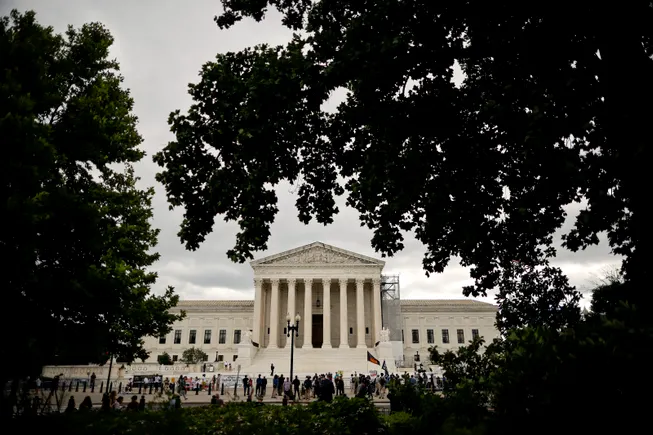
Supreme Court Ruling Lowers Burden of Proof in Disability Discrimination Lawsuits, School Districts Face Potentially Limited Increase in Litigation Risk
In June, the U.S. Supreme Court issued a unanimous ruling in A.J.T. v. Osseo Area Schools, clarifying that disability discrimination claims apply the 'deliberate indifference' standard, replacing the higher threshold of 'bad faith or gross misjudgment' adopted by some circuit courts. Legal experts anticipate a limited long-term increase in litigation against school districts but recommend that districts mitigate risks through training and timely responses.