
Deep Dive
来自我们记者的行业洞察

Four Trends to Watch in Classroom AI in 2025
In 2024, K-12 education leaders accelerated the integration of artificial intelligence with support from federal and state resources, but warning signs of technology misuse also emerged. Looking ahead to 2025, experts predict that district and state AI guidance will increase, more tailored tools for special education and English learners will be developed, teachers' reliance on AI detection tools will continue to grow, and some districts will still face implementation barriers.
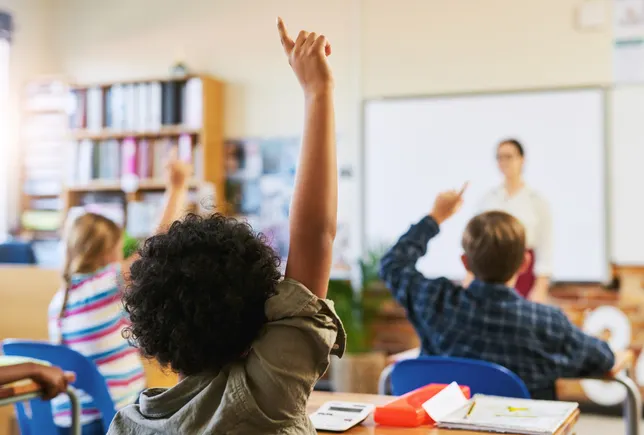
Six Major Trends in K-12 Education to Watch in 2025
In 2025, K-12 education in the United States will see six major trends: budget pressures, staffing shortages, increased special education burdens, more book bans and curriculum restrictions, heightened cybersecurity challenges, and the downward shift of AI guidance responsibilities. The new administration may bring policy changes, and school districts need to monitor closely.

U.S. School Districts Actively Respond to Immigration Enforcement Threats, Strengthening Student Protection Measures
As the Trump administration threatens mass deportation of undocumented immigrants, U.S. school districts are taking proactive measures to protect immigrant students. Policies include restricting ICE access to campuses, training staff to handle enforcement requests, providing 'Know Your Rights' guidance, and working to reduce bullying and foster a sense of belonging. Experts emphasize that educators must be aware of undocumented students' right to education, while schools should cultivate an inclusive environment.
K-12 School Districts Enter the Post-ESSER Era: Fiscal Realities and Responses After Federal Pandemic Funding Ends
Multiple education finance and policy experts say that the historic influx of federal funds used to help K-12 schools recover from setbacks caused by the most severe global pandemic in modern times has so far been largely spent without waste or fraud and has been crucial to students' academic recovery. Experts say concerns about dramatic and widespread fiscal cliffs for school districts after most flexible federal COVID-19 emergency funds dissipate also appear to be exaggerated.

OCR: Michigan Section 504 Violations During Pandemic Found
The U.S. Department of Education's Office for Civil Rights (OCR) determined that the Michigan Department of Education's (MDE) guidance during the pandemic was inconsistent with Section 504 of the Rehabilitation Act, exacerbating harm to students with disabilities. OCR noted that MDE improperly restricted compensatory services for students statewide, including those at the Michigan School for the Deaf. The school reduced instructional time by 43% during the 2019-20 and 2020-21 school years and failed to provide speech and language services to 29 students. OCR stated that MDE refused to sign a resolution agreement and may face termination of federal funds or referral to the Department of Justice.

Special Education Advocates Warn: Anti-DEI Actions May Have a 'Chilling Effect' on Inclusive Education
Multiple special education and disability rights advocates say there is currently insufficient evidence that anti-DEI actions are excluding special education students from general education activities, or that such claims have been explicitly made. However, they are increasingly concerned that, under the politicized DEI label, inclusive special education concepts are being misunderstood, potentially triggering a 'chilling effect' and even leading students with disabilities back to old paths of segregation and stigmatization.
How Lockless Campuses Are Reshaping School Architecture
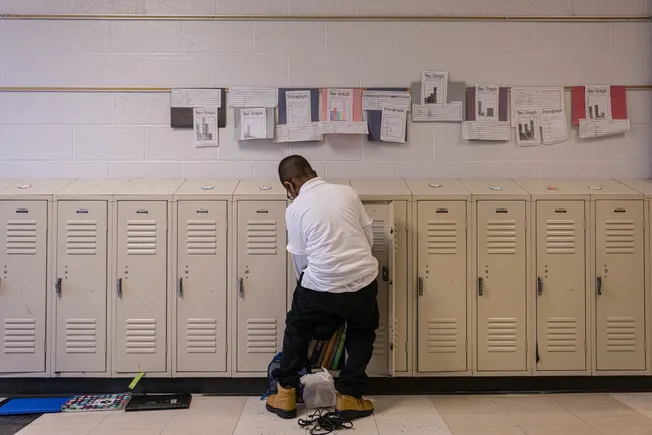
From Wayzata High School in Minnesota to Spring Valley High School in South Carolina, an increasing number of American schools are removing rows of lockers from hallways or abandoning the traditional one-locker-per-student layout in new campuses. Digital learning, tight passing periods, and teenagers' reluctance to wear coats have collectively driven this change. Architects and educators are transforming former locker spaces into collaborative learning and social areas, but this trend also sparks discussions about campus social memory and opportunities for interaction.