
Deep Dive
来自我们记者的行业洞察
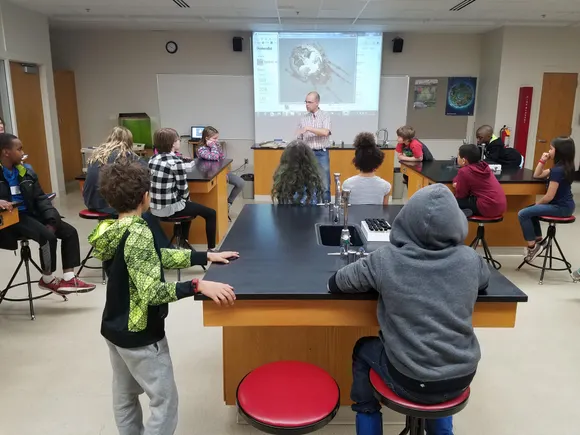
The Future of Gifted Education: Toward Diversity, Inclusion, and Accessibility
Over the past sixty years, gifted education in the United States has relied on a single IQ test, leading to racial disparities. Now, educators are promoting multiple data points, local norms, and inclusive identification to cover students from diverse backgrounds. Although reforms have made progress, they face challenges such as teacher training and policy conflicts.
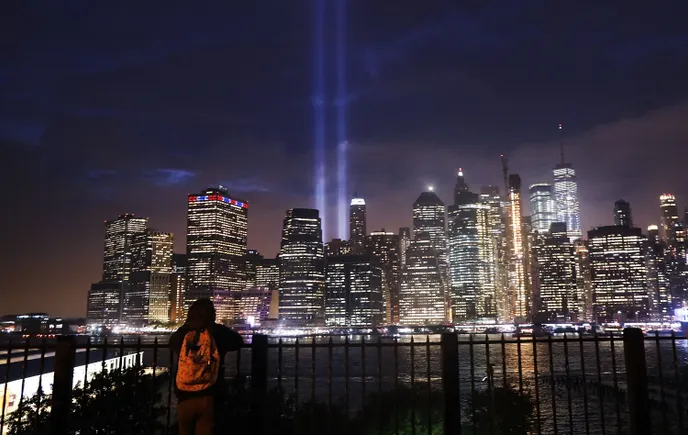
How Educators Can Integrate the 20th Anniversary of 9/11 into the Classroom: Three Practical Approaches
On the occasion of the 20th anniversary of 9/11, American primary and secondary school teachers are exploring ways to bring this historical moment into the classroom. This article introduces the practices of three educators (Sonia Corlew, Terri McDaid, and Laura Tavares): building intergenerational connections through poetry and family interviews, deepening understanding with resources such as the 9/11 Memorial & Museum, and preparing in advance to support students' emotions and discussions.
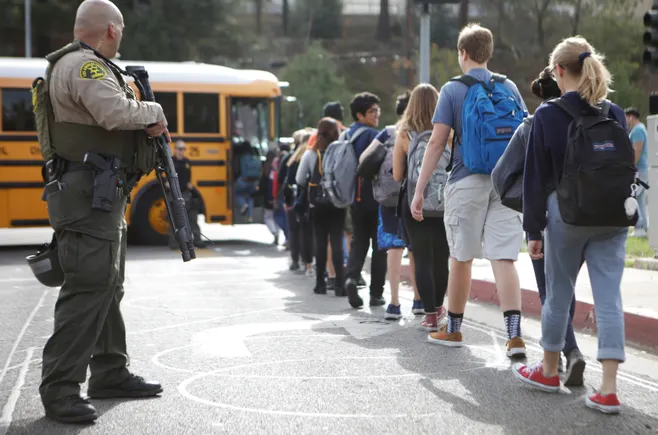
Threat Assessment: Preventing School Violence or Creating Student Trauma?
School threat assessment, as a formalized means of preventing violence among K-12 students, is facing growing opposition. Civil rights and disability advocacy organizations point out that students with disabilities, students of color, and students from low-income families are disproportionately subjected to investigations, and that assessments may bypass protections under the Individuals with Disabilities Education Act, resulting in informal suspensions and lasting trauma. Supporters such as Dewey Cornell, a professor of education at the University of Virginia, argue that systematic assessment can prevent schools from making hasty decisions based on intuition or panic, and cite research showing that most threats are determined to be low-risk or transient. The U.S. Department of Education recently solicited comments on non-discriminatory practices in school discipline, receiving over 3,600 comments. This article reviews both sides' arguments, key data, state-level policies, and school district cases, and explores directions for improvement.
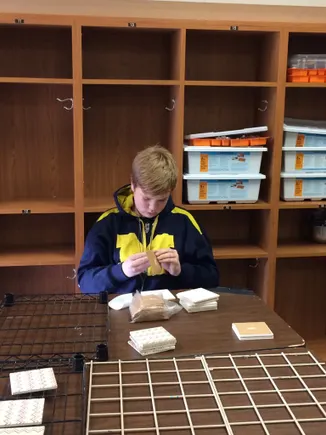
Leveraging the Olympic Games to Bring STEM Passion into the Classroom
Susan Gorman, an eighth-grade science teacher at Hallsville Middle School in Missouri, USA, brings the Olympics into her classroom every two years, designing related activities to help students understand scientific principles and encouraging them to think like scientists. As the Tokyo Summer Olympics opened on July 23, more educators are attempting to use Olympic events or historical materials to integrate sports technology and science into teaching, aiming to ignite students' enthusiasm for STEM learning.
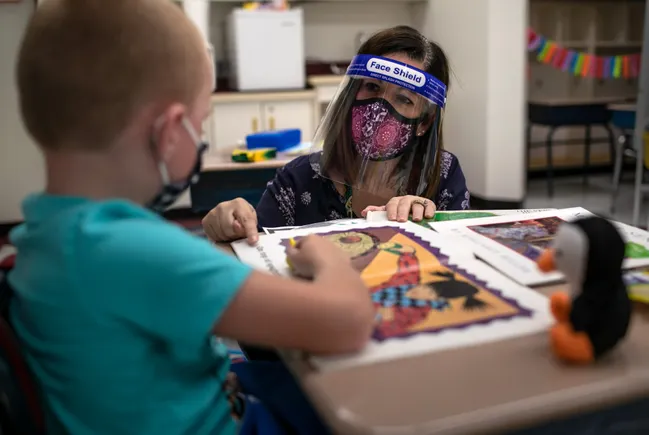
Imbalance in the Number of Special Education Students: The Dual Concerns of Over-Identification and Under-Identification
After the pandemic, the identification of special education students has drawn attention. Experts point out that both over-identification and under-identification can harm students and pose challenges to district resources and equity. This article explores identification criteria, data monitoring, and best practices.
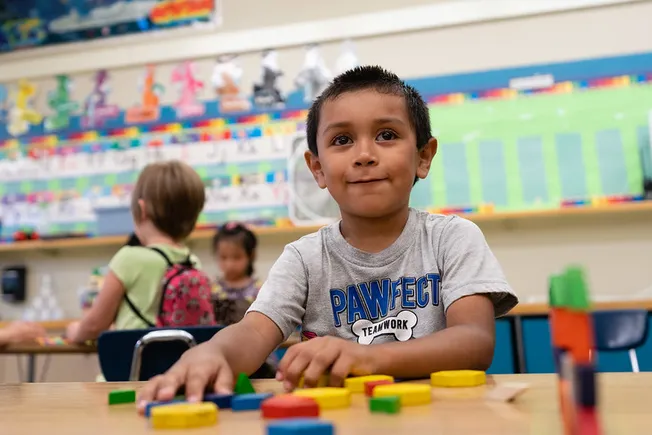
Integrating Anti-Bias and Equity Education into the Curriculum: Starting with Teacher Self-Reflection
Makai Kellogg, lead teacher and equity and diversity coordinator at School for Friends, an early childhood education institution in Washington, D.C., believes that if teachers have not addressed their own biases, it is difficult for them to effectively intervene in biased behaviors exhibited by students. Experts suggest that teachers should first clarify their educational vision and, through self-reflection, professional development, and examination of teaching materials, truly integrate anti-bias, social justice, and equity education into their daily curriculum.
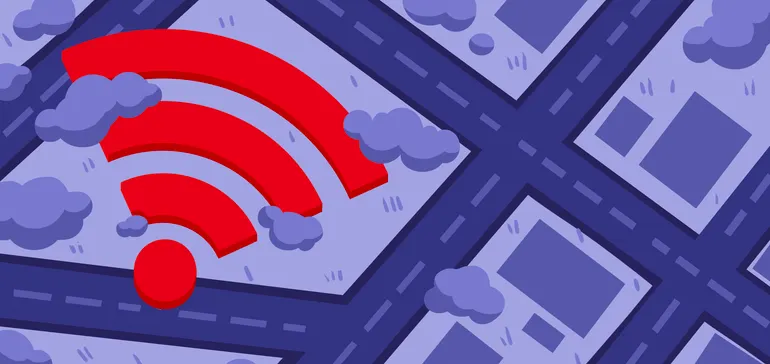
Decoding the Digital Divide: 29 Million Disconnected Families Remain a 'Known Unknown'
During the pandemic, approximately 29 million U.S. households with school-age children lacked home internet access. Despite efforts to bridge the gap, issues such as urban-rural infrastructure disparities, housing mobility, and funding depletion make the digital divide difficult to eradicate. This article examines this 'known unknown' through case studies in Tennessee, Oakland, California, and Louisville, Kentucky.
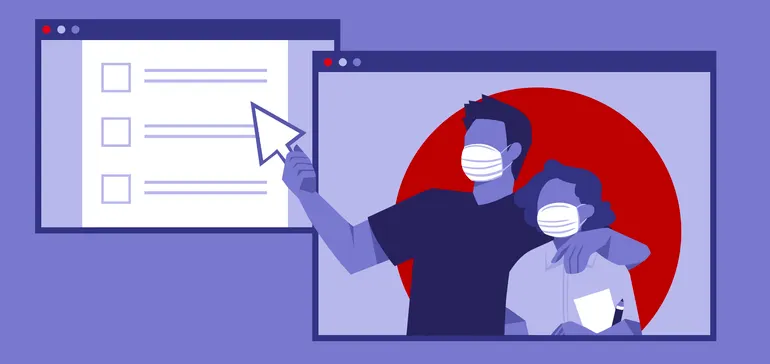
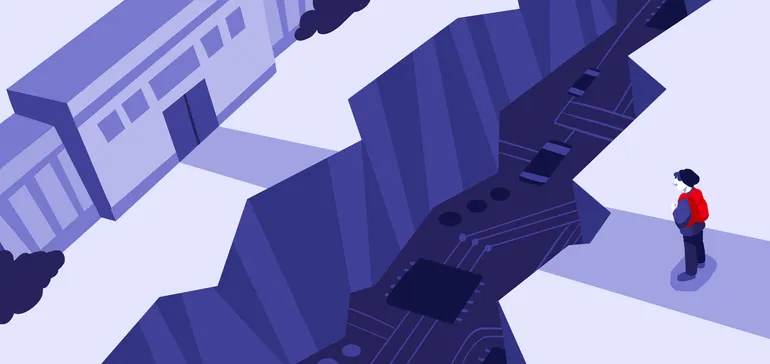

Decoding the Digital Divide: Bridging the Gap Depends on Effective Policy and Practice
The pandemic exposed the severity of the digital divide in K-12 education, prompting schools, governments, and communities to seek sustainable solutions. This article explores multi-faceted efforts ranging from device distribution and broadband access to digital literacy training, and emphasizes the importance of policy-making and data collection.