
Deep Dive
来自我们记者的行业洞察
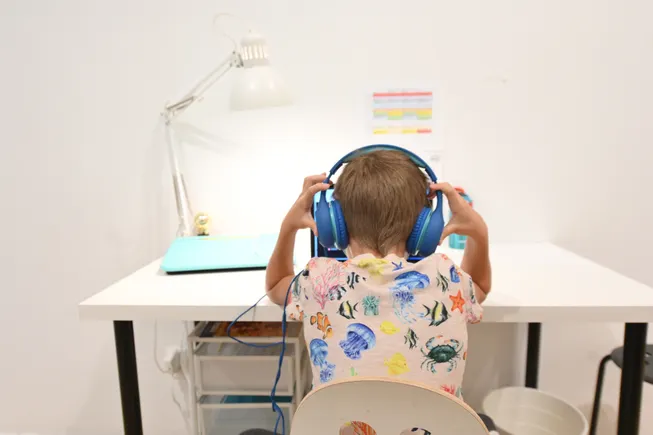
Special Education Lawsuits During Pandemic Lower Than Expected
At the onset of the pandemic, many predicted that remote learning would trigger a wave of special education lawsuits, but two years later, the actual number of lawsuits was lower than expected. This article interviews multiple lawyers, advocates, and education administrators to analyze why lawsuits did not surge and to explore the current status and obstacles in implementing compensatory education services.
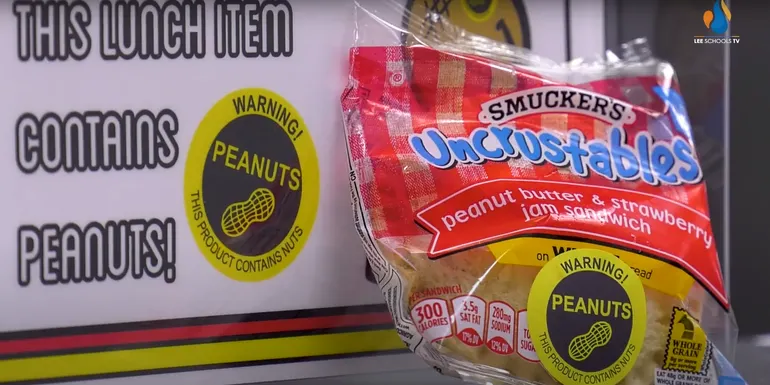
Florida school district resumes serving peanut butter after 18 years: new allergy management strategy under supply chain pressure
Lee County School District in Florida, USA, has reintroduced peanut butter to its school menus after an 18-year hiatus caused by supply chain difficulties and rising food prices, accompanied by new allergy management policies and operational procedures. The district serves 87,000 meals daily, and this adjustment ensures the safety of students with allergies while providing a reference for other districts facing similar challenges.
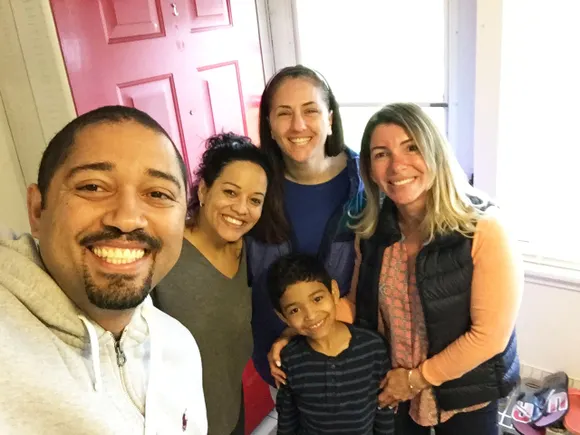
Home Visits: The Emotional Bond Connecting Educators and Families
Home visit programs help educators and families build trust through core practices such as voluntariness, training, and focusing on hopes and dreams. Data shows that schools implementing home visits systematically see improved student attendance and academic performance. This article shares stories of multiple educators and parents, illustrating how home visits break down barriers and promote school-family collaboration.
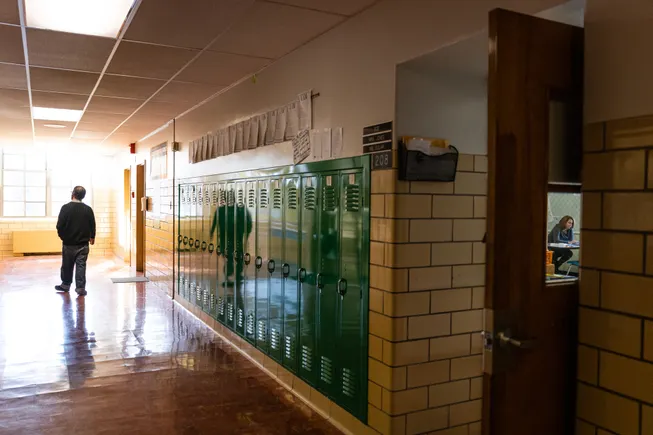
School Restraint and Seclusion Report: Definition Disputes and Data Accuracy Challenges
The Office for Civil Rights (OCR) of the U.S. Department of Education has proposed revising the definitions of physical restraint, mechanical restraint, and seclusion in the Civil Rights Data Collection (CRDC), aiming to improve data accuracy. Previously, the Government Accountability Office (GAO) and multiple advocacy organizations expressed concerns about underreporting and misreporting in past data collections. However, the Council of Administrators of Special Education (CASE) believes that some wording in the new definitions is vague and may exacerbate reporting confusion. The National Disability Rights Network (NDRN) welcomed the revisions, considering them helpful in clarifying reporting standards. The public comment period ends on February 11, and 631 comments have been received so far.
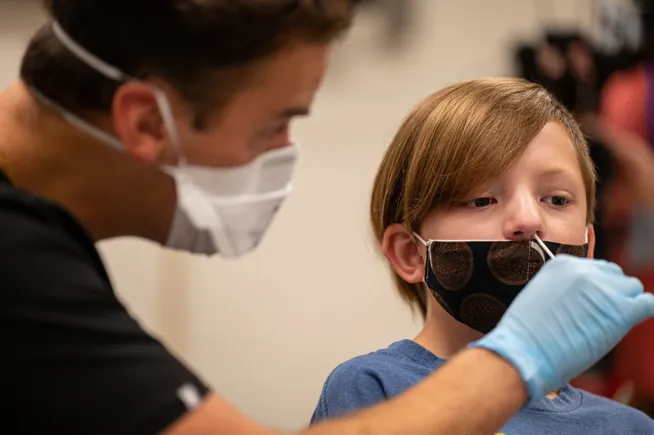
Campus COVID Testing: Scaling Up or Phasing Out?
Only months after the Biden administration announced expanded COVID testing in K-12 schools, some school districts, due to shortages of testing resources and parental opposition, plan to limit or cancel on-campus testing, while others are intensifying testing. The divergence in testing strategies has sparked discussions in the education community about the prospects of testing programs.
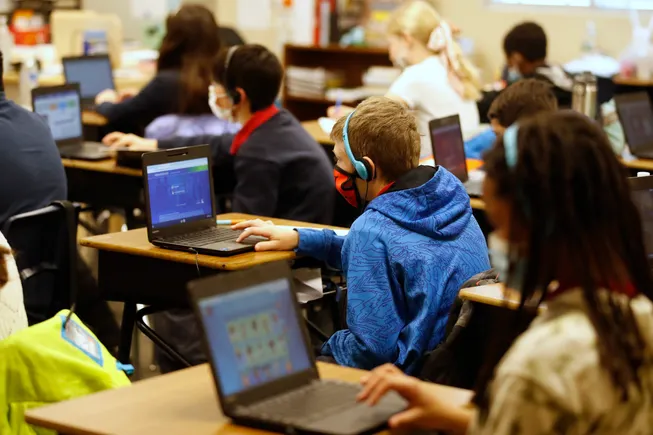
Student Data Risks Persist: How Educators Can Build Privacy Defenses
In 1998, a Federal Trade Commission investigation found that 89% of children's websites directly collected personal information, prompting regulations such as the Children's Online Privacy Protection Act. Over two decades later, nearly all children are online, yet issues remain prominent, including outdated laws, rigid data retention rules, and risks from third-party service providers. Drawing on practices from Fairfield Public Schools in Connecticut, this article outlines conflicts between federal and state regulations, responsibilities of ed-tech companies, and practical dilemmas around data deletion and surveillance boundaries.
As Public Trust in Teachers Declines, How Can School Districts Turn the Tide?
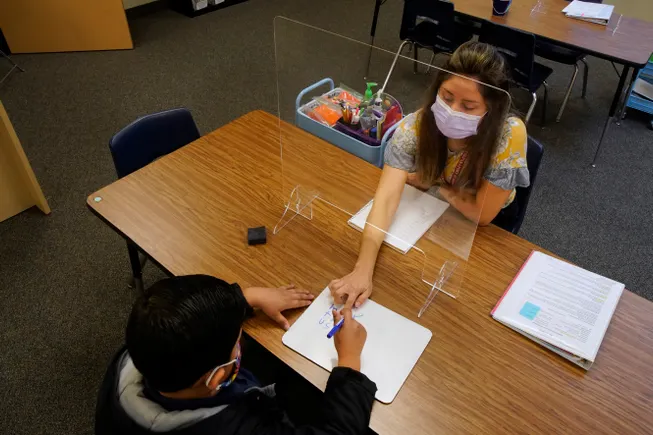
An Ipsos survey from October 2021 shows that public trust in teachers in the United States fell from 63% in 2019 to 57%, a decline of 6 percentage points. Politicized controversies (such as discussions on critical race theory) and pandemic policies are major contributing factors. Education experts suggest that school districts proactively build deep home-school connections rather than avoiding the issue. Some teachers have successfully maintained high trust through daily communication, culturally responsive teaching, and community engagement.

The Plight of Black Educators: Where Does the System Go Wrong?
Multiple studies show that Black teachers and principals can significantly improve academic performance for Black students, reduce suspensions, and increase college enrollment rates. However, the proportion of Black educators in the U.S. education system has stagnated, and Black principals and superintendents often face ambiguous performance standards, political maneuvering, and unwritten dual pressures in their roles. This article examines systemic barriers and breakthroughs through the experiences of three Black education leaders.